

Nagaland

- Ideal Days of Travel: 5 to 7 Days
- Best Time to Travel: October to May
- Nearby Airports: Dimapur Airport, Lokpriya Gopinath Bordoloi International Airport (Guwahati), Dibrugarh Airport, Jorhat Airport, Silchar Airport
Best Time to Visit
The best time to visit Nagaland is from October to May, when the weather is cool and pleasant, making it ideal for sightseeing, cultural exploration, and outdoor adventures. This period also features the world-famous Hornbill Festival in December, drawing travelers from across India and abroad to experience Nagaland’s vibrant tribal traditions, folk music, dance, and local cuisine. Popular destinations such as Kohima, Dimapur, and Mokokchung enjoy clear skies and comfortable temperatures, perfect for village walks, hill viewpoints, and nature experiences.
The monsoon season (June to September) brings heavy rainfall, which may cause landslides and travel challenges in hilly areas. However, it also turns Nagaland into a lush green paradise, appealing to travelers seeking quiet landscapes and scenic beauty during the off-season. For a smooth and memorable journey, planning your Nagaland tour between October and April ensures the best weather, accessibility, and cultural highlights.
Plan your Nagaland holiday with Destinatia Tours and Travels for customized tour packages, expert local guidance, and seamless travel arrangements across Northeast India.
Top Destinations in Nagaland
Kohima (Cultural Heart of Nagaland)
Kohima, the capital city of Nagaland, offers a beautiful blend of history, tribal heritage, and scenic hill landscapes, making it a must-visit destination in Northeast India.
Kohima War Cemetery: A historic World War II memorial honoring soldiers who fought in the Battle of Kohima, offering panoramic views of the surrounding hills.
Kisama Heritage Village: Home to the famous Hornbill Festival, this cultural village showcases Nagaland’s indigenous tribes, traditional houses, crafts, music, and cuisine.
Nagaland State Museum: Displays ancient artifacts, tribal costumes, weapons, and cultural exhibits reflecting the state’s rich heritage.
Dzükou Valley: Known as the “Valley of Flowers of the Northeast,” this stunning trekking destination features rolling green hills, seasonal blooms, and crystal-clear streams.
Japfu Peak: One of Nagaland’s highest peaks, perfect for nature lovers seeking breathtaking viewpoints and peaceful mountain experiences.
Dimapur (Gateway to Nagaland)
Dimapur is Nagaland’s commercial hub and entry point, blending ancient history with modern town life.
Kachari Ruins: Ancient mushroom-shaped pillars dating back to the Dimasa Kachari kingdom.
Diezephe Craft Village: A traditional artisan village famous for handloom, woodcraft, and bamboo work.
Nagaland Zoological Park: Home to native wildlife including hornbills, hoolock gibbons, and clouded leopards.
Triple Falls: A scenic waterfall spot perfect for short nature excursions.
Kohima (Capital City & Cultural Center)
Kohima reflects Nagaland’s rich tribal heritage, World War history, and serene hill landscapes.
Kohima War Cemetery: A historic WWII memorial with breathtaking hill views.
Kisama Heritage Village: Venue of the famous Hornbill Festival, showcasing Naga tribal culture, dance, and cuisine.
Nagaland State Museum: Displays traditional artifacts, costumes, weapons, and tribal history.
Japfu Peak: One of Nagaland’s highest peaks, offering panoramic Himalayan foothill views.
Dzükou Valley (Valley of Flowers of Northeast India)
A paradise for trekkers and nature lovers, Dzükou Valley is known for rolling green hills and seasonal wildflowers.
Nature Trekking: Scenic trails through forests and alpine meadows.
Seasonal Flower Bloom: Especially beautiful during monsoon and post-monsoon months.
Camping Experiences: Ideal for adventure seekers looking for peaceful mountain stays.
Mokokchung (Cultural Capital of the Ao Tribe)
Mokokchung offers authentic village experiences and deep insight into Naga traditions.
Longkhum Village: Famous for dramatic cliff views and sunset points.
Ungma Village: One of the oldest Ao villages, rich in history and folklore.
Mokokchung Town: A lively hub for local cuisine and handicraft shopping.
Mon (Land of the Konyak Headhunters)
Mon showcases the fascinating culture of the Konyak tribe, known for facial tattoos and traditional warrior heritage.
Longwa Village: A unique village straddling the India–Myanmar border.
Shangnyu Village: Home to ancient wooden monuments and tribal artifacts.
Traditional Konyak Houses: Experience authentic Naga village life.
Tuensang (Scenic Eastern Nagaland)
Tuensang is known for its untouched landscapes and tribal diversity.
Mount Saramati Views: Near India’s highest peak in Nagaland.
Village Walks: Explore Chang and Yimkhiung tribal settlements.
Nature Trails: Perfect for offbeat travelers seeking quiet hill experiences.
Adventure Activities
- Trekking: Meghalaya offers various trekking trails like the Nongriat trek to the double-decker root bridge, Tura Peak, and Mawlynnong to Riwai village.
- Caving: With over 100 caves, including Siju, Mawsmai, and Liat Prah, Meghalaya offers cave exploration.
- Boating: The clear waters of the Umngot River in Dawki are perfect for boating, and Ward’s Lake in Shillong is great for a relaxing boat ride.
- Fishing: The rivers of Meghalaya, like the Umngot and Rilang, are ideal for fishing.
Cultural & Local Experiences
- Tribal Culture: Meghalaya is home to three major tribes: the Khasi, Jaintia, and Garo. Visitors can immerse themselves in their traditional dances, handicrafts, and festivals.
- Meghalaya’s Festivals: Festivals like Shad Suk Mynsiem (a Khasi festival) and Wangala (a Garo festival) offer a glimpse into the state’s vibrant culture.
- Local Cuisine: Try the local food like Jadoh (rice and meat), Pumaloi (steamed rice cake), and Tungrymbai (fermented soybean dish). You can also find delicious pork, fish, and bamboo shoot dishes.
How to Reach Meghalaya
- By Air: The nearest airport is in Shillong, with limited connectivity. Alternatively, you can fly to Guwahati (Assam), which is around 100 km away, and then take a cab to Shillong.
- By Train: Guwahati is well-connected by rail and is the nearest major railway station.
- By Road: Meghalaya is well-connected by road from Assam and other northeastern states. Roads in Meghalaya can be quite scenic but might be challenging during the monsoon season due to heavy rainfall.
Safety Tips
- Monsoon Season: While the monsoon adds beauty to Meghalaya, it also makes roads slippery and can lead to landslides. Make sure to check weather conditions before traveling.
- Local Customs: Respect the local customs and traditions of the indigenous tribes. In certain areas, permission may be needed to visit specific locations, especially sacred sites.
- Wildlife: Meghalaya is home to a variety of wildlife, so always follow safety instructions when exploring national parks or wildlife sanctuaries.

Kamakhya Temple, Guwahati
Kamakhya Temple, perched atop the Nilachal Hill in Guwahati, is one of the most revered Shakti Peethas in India, dedicated to Goddess Kamakhya, an incarnation of Goddess Durga. This ancient temple, steeped in mysticism and tantric traditions, attracts thousands of pilgrims and spiritual seekers every year.
Best Known For:
Kamakhya Temple is best known for its spiritual significance, unique rituals, and the Ambubachi Mela, an annual festival celebrating the goddess’s fertility. Its blend of mythology, architecture, and divine energy makes it a must-visit destination for devotees and curious travelers alike.
Best Time to Visit:
October to March – for pleasant weather and comfortable temple visits.
Special Visit: June – to witness the grand Ambubachi Mela, though it can be crowded.

Kaziranga National Park
Kaziranga National Park, located in Assam, is a UNESCO World Heritage Site and one of India’s premier wildlife sanctuaries. Spanning the floodplains of the Brahmaputra River, it is famed for its thriving population of the endangered one-horned rhinoceros, as well as its diverse ecosystems of grasslands, wetlands, and dense forests.
Best Known For:
Kaziranga is best known for being home to over two-thirds of the world’s population of the one-horned rhinoceros. The park also shelters tigers, wild elephants, swamp deer, wild buffalo, and a rich variety of birds, making it a paradise for wildlife lovers and photographers. Jeep and elephant safaris are popular ways to explore its wilderness.
Best Time to Visit:
November to April – when the weather is dry and wildlife sightings are at their best.
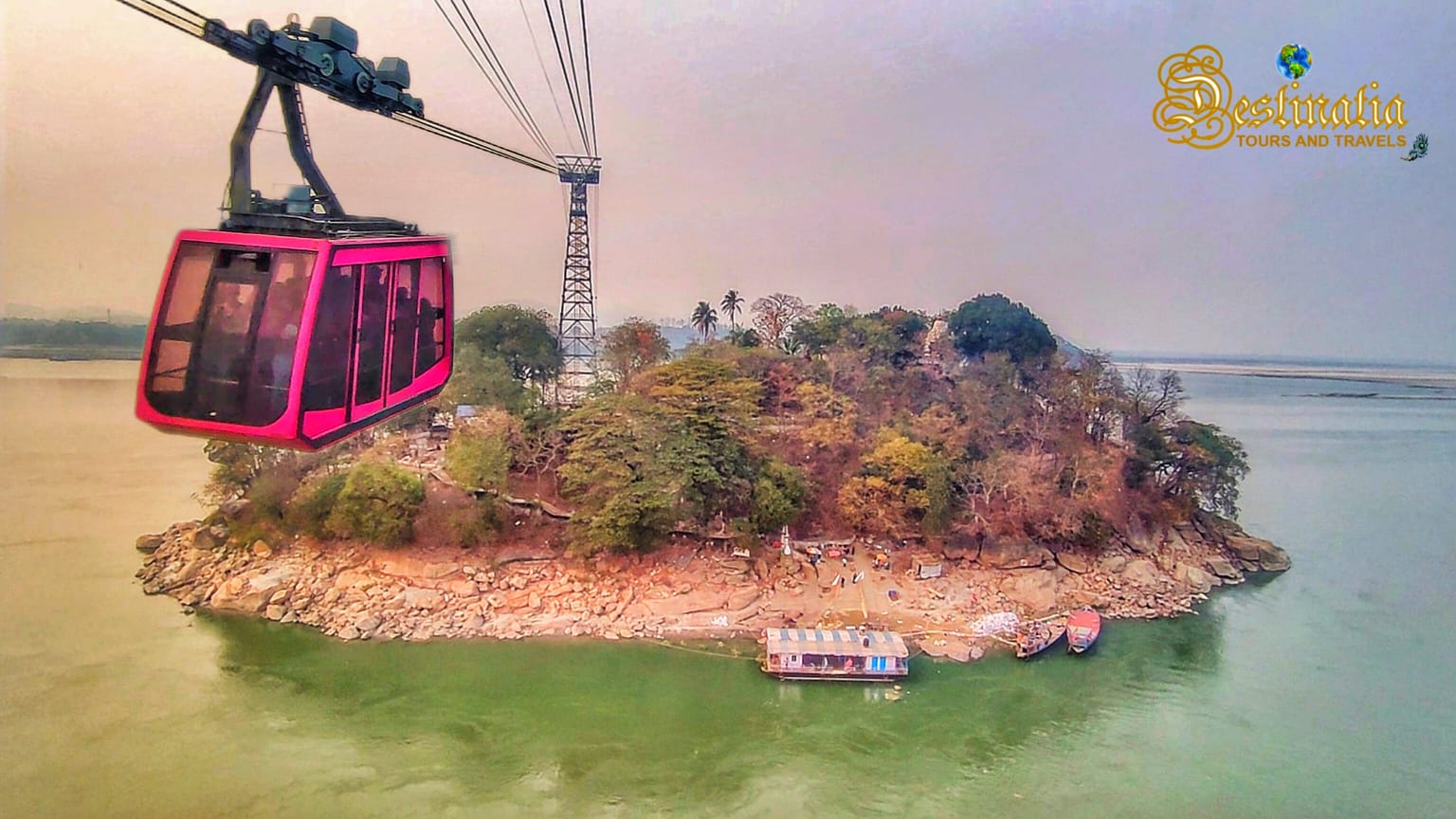
Umananda Island
Umananda Island, situated in the heart of the mighty Brahmaputra River in Assam’s capital, Guwahati, is the smallest inhabited river island in the world. Steeped in spiritual charm and natural beauty, this peaceful retreat is home to the ancient Umananda Temple dedicated to Lord Shiva and offers panoramic views of the river and surrounding hills.
Best Known For:
Umananda Island is best known for the Umananda Temple, its serene atmosphere, and breathtaking riverfront views. It’s a spiritual and scenic escape, accessible only by ferry or boat ride from the city’s banks. The island also attracts nature lovers for its rare golden langurs and peaceful forest trails.
Best Time to Visit:
October to March – when the weather is pleasant and ideal for ferry rides and temple visits.

Balaji Temple, Guwahati
Balaji Temple in Guwahati, also known as Purva Tirupati Sri Balaji Temple, is a magnificent South Indian-style temple dedicated to Lord Venkateswara (Balaji). Located in Betkuchi, near Lokpriya Gopinath Bordoloi International Airport, this temple is a serene spiritual haven that draws devotees and visitors with its stunning architecture and tranquil atmosphere.
Best Known For:
The temple is best known for its impressive Dravidian-style architecture, intricate carvings, and peaceful surroundings. The complex also houses shrines dedicated to Goddess Padmavati and Lord Ganesha, making it a significant pilgrimage site for Vaishnavites in the Northeast.
Best Time to Visit:
October to March – when the weather is cooler and ideal for spiritual visits and leisurely temple walks.


Nearby Places
Assam

Meghalaya

Arunachal Pradesh

Also Read

